
Consumer Packaged Products
Flexible, High-Resolution Coding Solutions
Seamless, Non-Contact Printing for Consumer Packaging Lines
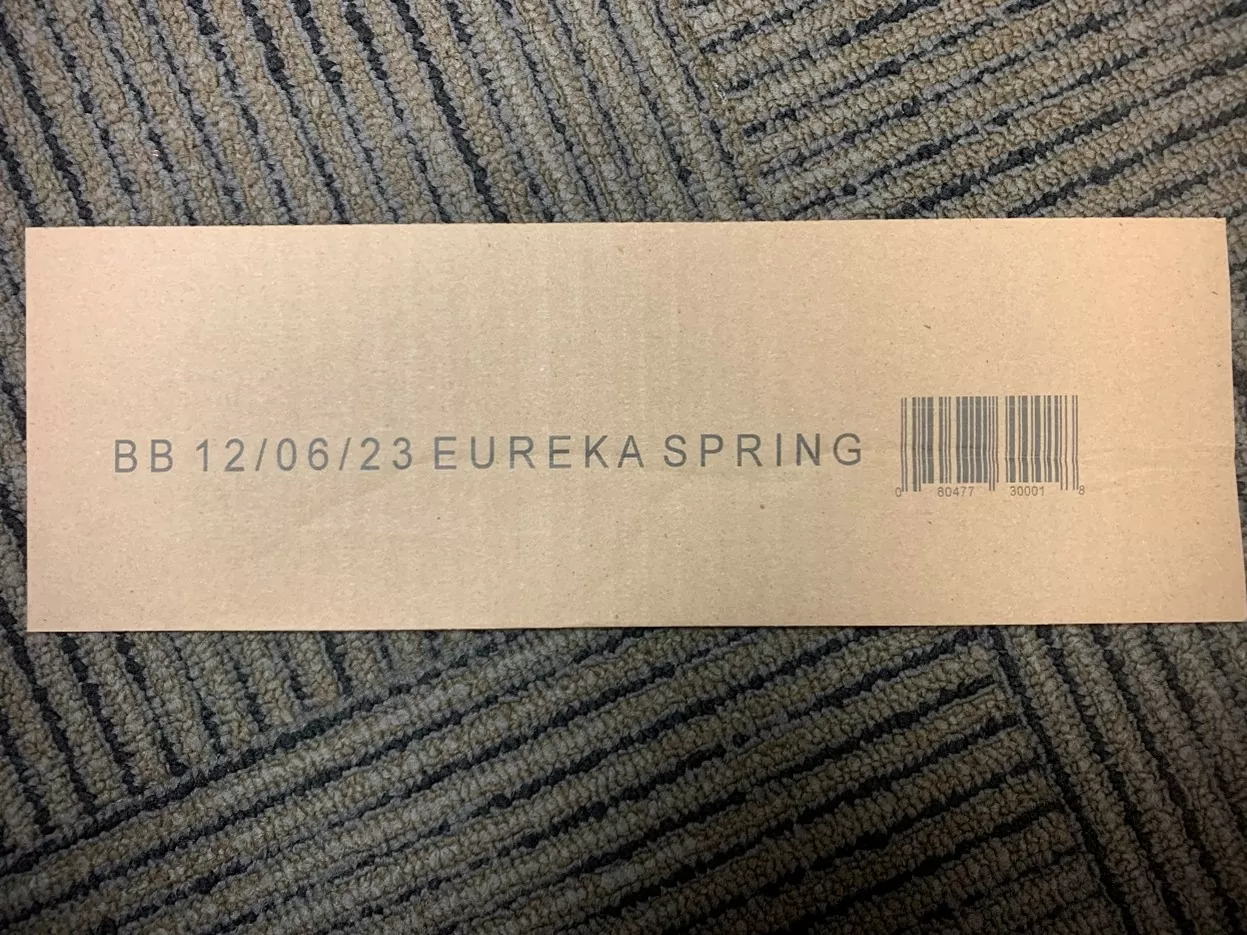
The wide range of packaging used in the Consumer Packaged Goods market requires maximum flexibility. Smart-Jet® printers are extremely effective for printing date codes and other information on consumer packaged products, delivering high resolution, high speed, non-contact coding with a range of inks that work on a wide variety of substrates. Everything from shampoo bottles, detergents, cleaning supplies, and other consumer packaged goods, Smart-Jet® printers are ideal for the job.
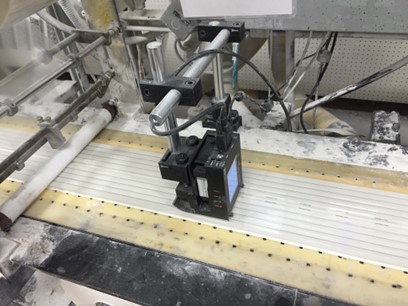
Add to that practically no maintenance, along with a compact design that integrates seamlessly into any production line, and Smart-Jet® printers are excellent for consumer packaged products packaging applications. You can print variable data, including production date and best before codes, expiry dates, counts, bar codes, 2D symbols, logos and graphics, and any other data required. With the wide range of available inks for porous and non-porous substrates, Smart-Jet® printers provide a cost-effective solution for various batch sizes and substrates like paper, plastic, glass, and metal, to name a few.
Key Advantages for Consumer Products
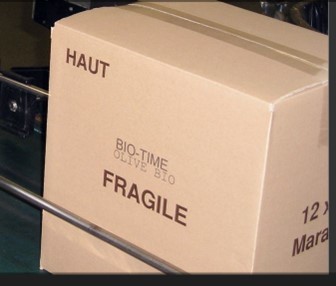
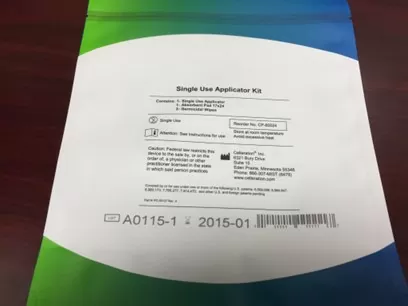
High-Quality, Versatile Printing: Smart-Jet® printers print sharp, high-resolution graphics and text, ideal for detailed information such as expiration dates, batch codes, bar codes, and 2D symbols variety of packaging surfaces, including porous and non-porous materials, such as flexible film, pouches, corrugated, chipboard, plastic, glass, and many more. Smart-Jet printers can be used at multiple points in the packaging process, from primary package (typically non-porous) to secondary packaging and case coding (typically porous). With a single print technology, training, setup, and use is simplified, with no need to learn multiple operating systems and maintenance routines.
Simple, Low Maintenance Technology: The use of disposable ink cartridges makes maintenance straightforward, as there’s no need for regular cleaning, reducing operational downtime and ensuring a hassle-free solution for manufacturers.
Environmental Friendliness: Smart-Jet® printers are known for their significantly lower environmental impact compared to other industrial printing methods, as they do not require ventilation for solvent vapors for fume extractors for lased micro-materials. It is also easier to recycle corrugated without labels. Printing directly on the box allows for more efficient recycling, and does not cause issues with the equipment in the recycling process by eliminating the label adhesive residue.
Cost-Effectiveness: TIJ printers offer a lower total cost of ownership, making them a financially sound choice for consumer product manufacturers.
Flexible Application: Smart-Jet® printers are suitable for a wide range of materials, including paper, plastic, metal, and even curved surfaces, providing the flexibility needed for diverse packaging requirements.
Compact, Modular Design: Smart-Jet® printers are compact and lightweight, easily fitting into existing production lines and offering modularity to adapt to changing production needs.
Variable Data Printing: The technology excels at printing unique data, serial numbers, and other variable information on individual products, which is essential for traceability and regulatory compliance.
Why it Matters in Manufacturing
Enhanced Traceability and Compliance: Smart-Jet® printers provide clear and accurate printing of critical information like date codes and lot numbers, which is vital for tracking products and adhering to food, pharmaceutical, and other safety regulations.
Improved Efficiency: The ability to print high-resolution data quickly and with minimal downtime improves overall production line efficiency.
Reduced Waste: Precise ink droplet ejection minimizes ink wastage, contributing to more efficient and sustainable manufacturing processes. Additionally, printing directly on substrates improves recyclability. Adhesive residue from labels can cause issues with recycling machinery, adding to the overall cost, or making it prohibitive to recycle.